International Men’s Sheds Organisation
Men don’t talk face to face. They talk shoulder to shoulder.
Men’s Sheds bring men together through friendship, practical activities and community contribution. From its Australian roots, the movement now connects Sheds and national associations across the world.
Grow
Connect
Support
Unite
What is a Men’s Shed?
More than a Shed. A place to belong.
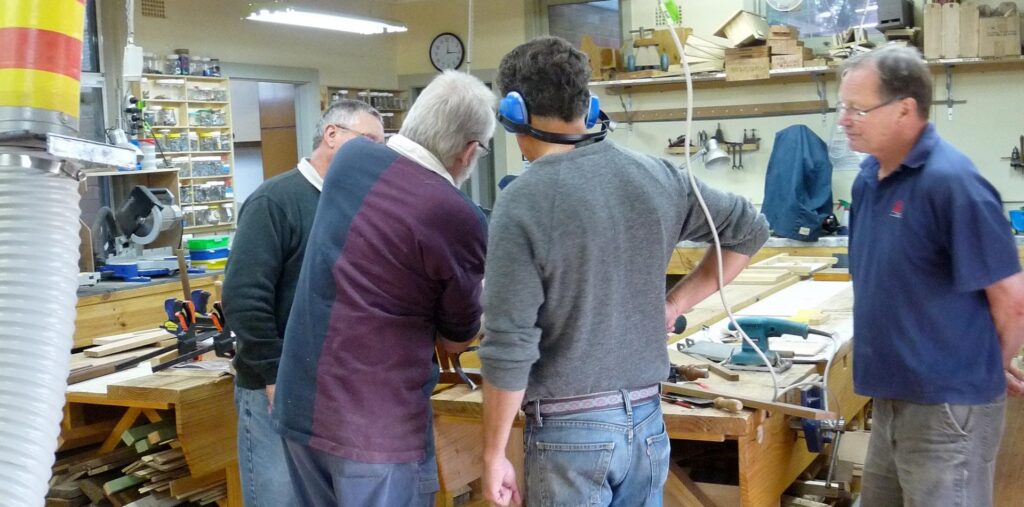
A Men’s Shed is a welcoming, community-based space where men come together to share skills, build friendships, work on projects and support one another.
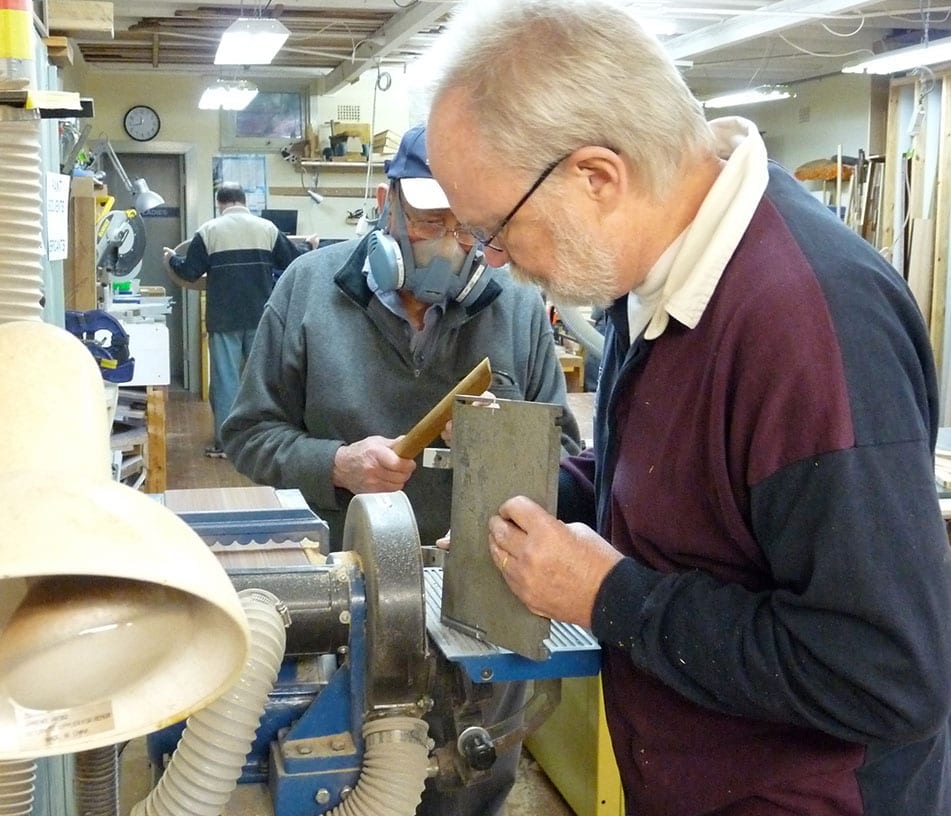
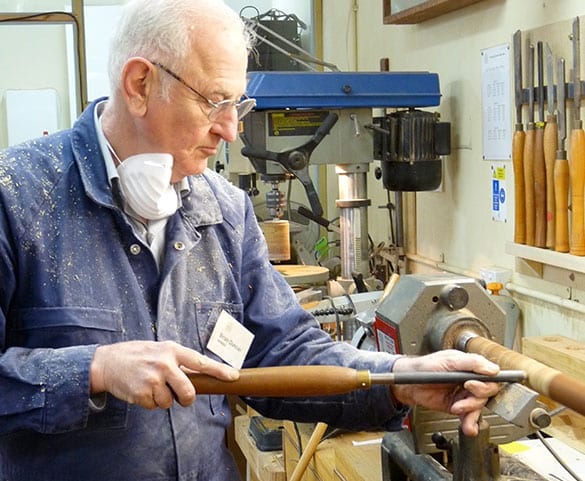
Many Sheds have workshops for woodworking and metalwork, but the tools are only part of the story. The real purpose of a Men’s Shed is the men themselves – somewhere to go, something meaningful to do and people to connect with.
About IMSO
Supporting Men’s Sheds around the world
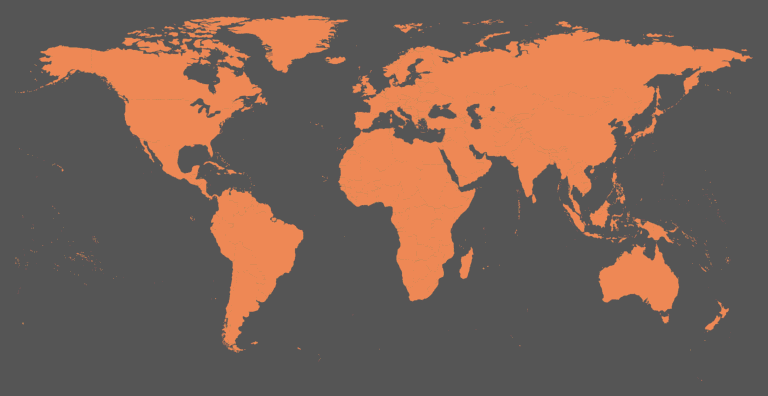
The International Men’s Sheds Organisation supports the development of Men’s Sheds associations in countries around the world. We encourage new Sheds, support existing Sheds and national associations, and share knowledge across borders.
We respect the independence of every national association and every Shed. Our role is to connect, facilitate, promote and support – never to direct or duplicate the work already being done.
Explore the movement
Find your way into the world of Men’s Sheds
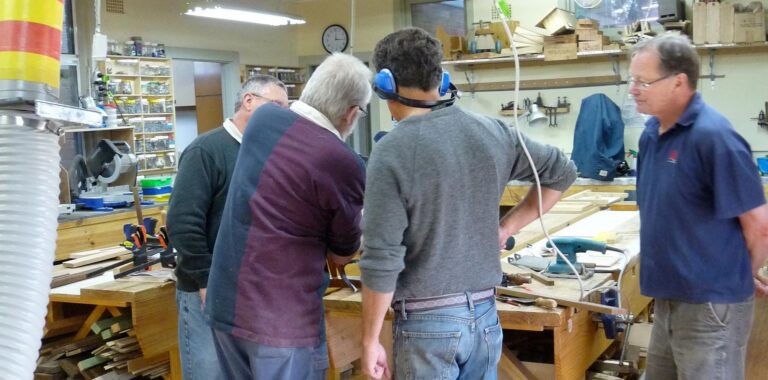
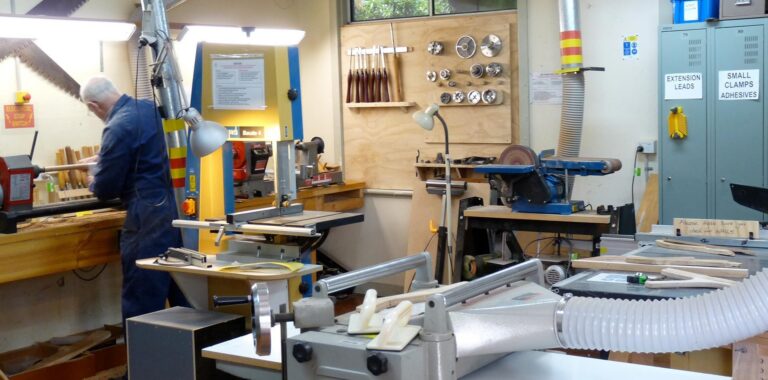
“Men don’t talk face to face, they talk shoulder to shoulder.”
Professor Barry Golding, National Men’s Shed Conference, Manly, 2007
FAQ
Frequently asked questions
Can’t find what you’re looking for? We’ll put you in touch with your national association or others in your area who are interested in Men’s Sheds.
What is a Men’s Shed?
A Men’s Shed is a welcoming, community-based space where men come together to share skills, interests, experiences and friendship. Many Sheds have workshops, but the real purpose is connection: somewhere to go, something meaningful to do and people to share it with.
Who can join a Men’s Shed?
Men’s Sheds are open to men of all ages, backgrounds and abilities. New members are always welcome, and each Shed sets its own membership arrangements.
Do I need trade skills or to be good with tools?
No. There is no requirement to be a tradesperson, to have particular skills or even to take part in a project. Some members use skills built over a lifetime, others learn something new, and some simply enjoy a conversation over a cuppa.
What activities happen at a Men’s Shed?
Each Shed reflects its local community. Activities can include woodworking, metalwork, restoration, gardening, technology, cooking, music, education and community projects for schools, charities and local groups.
How do Men’s Sheds support men’s health and wellbeing?
Regular, meaningful activity alongside others helps men stay socially connected, build confidence and remain active in their communities. Many Sheds also work with health professionals and local services to raise awareness of men’s physical and mental health.
Is a Men’s Shed a medical or counselling service?
No. A Men’s Shed is not a medical service, counselling centre or substitute for professional healthcare. Its strength is a relaxed, informal environment where men feel comfortable connecting with others and finding information and support when they need it.
Where did the Men’s Shed movement start?
The modern movement began in Australia in the early 1990s. One of the earliest community Shed initiatives opened at Goolwa, South Australia, in 1993, and the Australian Men’s Shed Association was established in 2007.
How do I find a Men’s Shed near me?
Start with your national Men’s Shed association – see our International Locations page. If your country isn’t listed, contact us and we will connect you with people in your area.
How can I start a Men’s Shed in my community?
Begin by contacting your national association for local advice on premises, insurance, governance and funding. Where no national association exists, we can connect you with experienced Shedders. Visit Start a Men’s Shed for first steps.
What does the International Men’s Sheds Organisation do?
IMSO encourages new Men’s Sheds, supports existing Sheds and national associations, and shares knowledge, research and successful approaches across borders – while respecting the independence of every association and Shed.